
Work stations that support the daily flow of warehouse operations.
WSI plans work stations for packing, inspection, labeling, processing, maintenance, and other operational tasks that happen between storage, conveyor, and shipping.
Work stations are most effective when they are designed around the people, product, tools, data, and material flow used at that point in the process.

Flexible support for packing, processing, and facility tasks.
- Packing Stations
- Inspection Areas
- Labeling Stations
- Processing Tables
- Maintenance Work Areas
- Computer and Control Points
- Cart and Tote Integration
- Ergonomic Product Handling
Work stations should connect to the surrounding process.
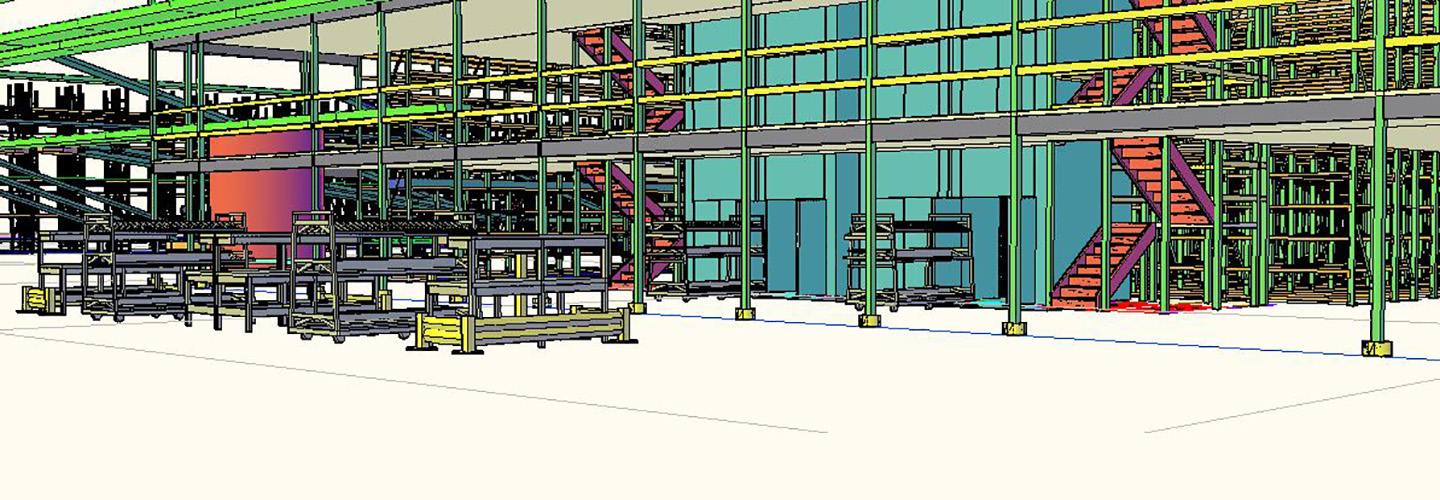
Picking and Packing Support
Stations can be planned with carts, shelves, totes, and staging areas so operators have what they need within reach.

Packaging Workflows
Work stations can support packing, documentation, labeling, order verification, and outbound preparation.
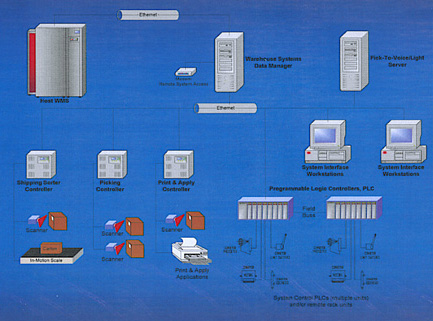
System Interface Points
Stations may include computer, controls, scan, print, or data collection points tied into the larger system.
Good work station design balances productivity and operator comfort.
WSI can coordinate work stations with conveyor, storage, carts, totes, ergonomic lifts, packaging materials, control points, and traffic paths so each station fits the overall operation.

Work stations are often part of a larger handling area.
Packaging
Support for packing, staging, shipping, carts, totes, and final fulfillment workflows.
Ergonomics
Handling products that support safer lifting, positioning, picking, packing, and workstation workflows.
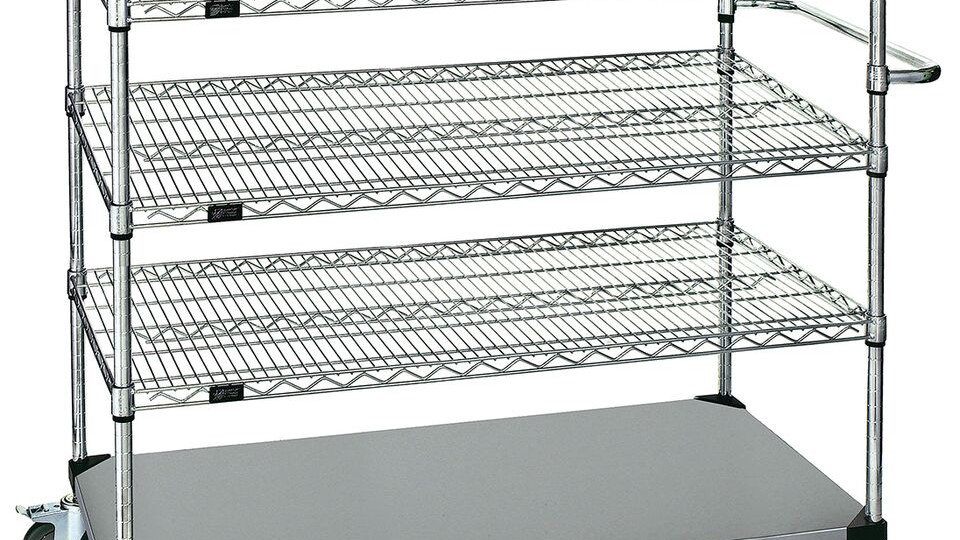
Carts
Mobile carts that help connect storage, picking, packing, work areas, and downstream movement.