
Conveyor equipment selected around product flow.
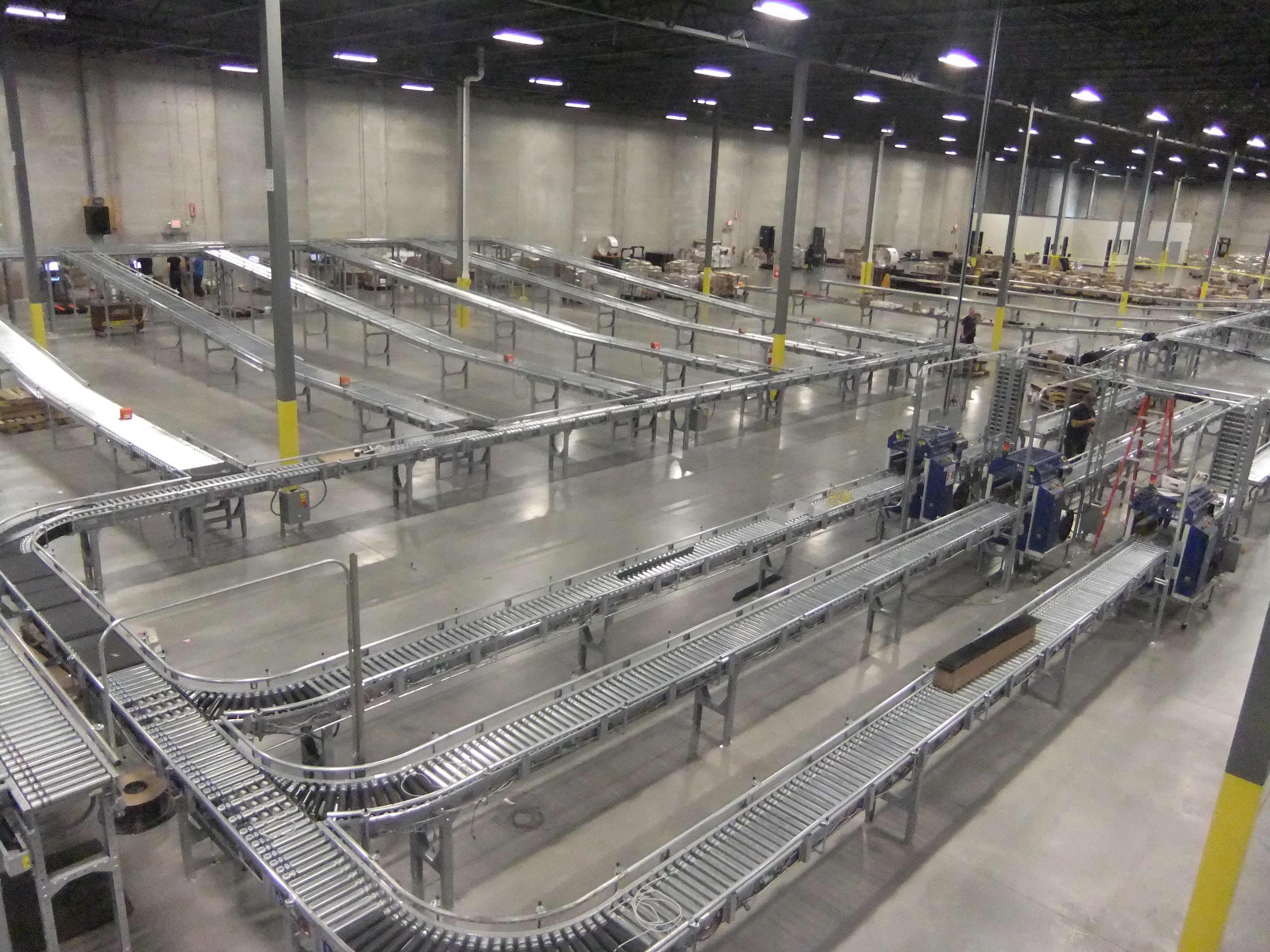
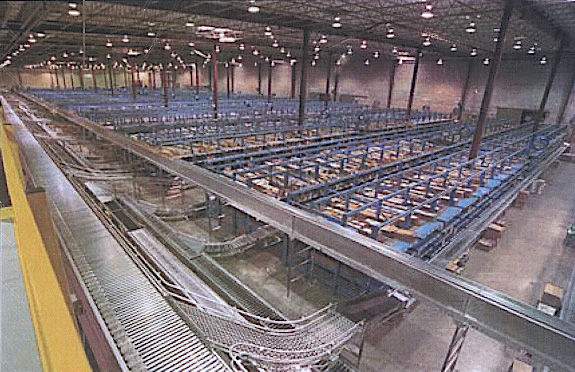
WSI integrates motor driven roller, live roller, belt, and gravity conveyor products into practical material handling systems for transportation, accumulation, inclines, declines, curves, and transfers.
The right conveyor product depends on load type, rate, accumulation needs, available space, safety requirements, and the controls strategy behind the system.
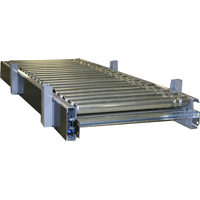
Common conveyor types used in warehouse systems.
- MDR Conveyor
- Live Roller Conveyor
- Belt Conveyor
- Gravity Conveyor
- Straights and Curves
- Inclines and Declines
- Transfers
- Accumulation
Use the right conveyor style for each movement in the system.
MDR Conveyor
Motor driven roller conveyor supports quiet, energy efficient, safe operation. Roller or belted styles, curves, straights, inclines, declines, and transfer sections are available.
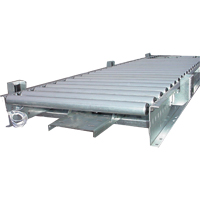
Live Roller Conveyor
Live roller conveyor provides economical transportation and accumulation of product in multiple styles.
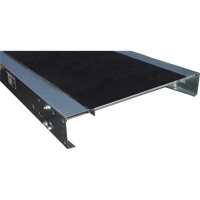
Belt Conveyor
Belt conveyor supports horizontal, incline, and decline transportation where product contact, stability, or elevation change requires a belt surface.
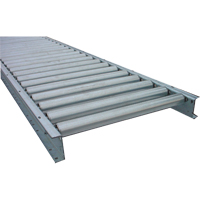
Gravity Conveyor
Gravity conveyor is a non-powered conveyor option using roller or skatewheel sections for simple movement, staging, and ergonomic handling.
Conveyor products work best as part of an integrated design.
WSI can combine conveyor products with sortation, controls, storage, picking, packing, shipping, installation, commissioning, and support so each section fits the larger workflow.
Continue through the conveyor section.
Conveyor
Movement, accumulation, scanning, tracking, sorting, picking, packing, and shipping system planning.
Sortation
Sorters and routing equipment for directing product through distribution workflows.
Controls
Control panels, warehouse control software, WMS interface, and data collection for conveyor systems.